
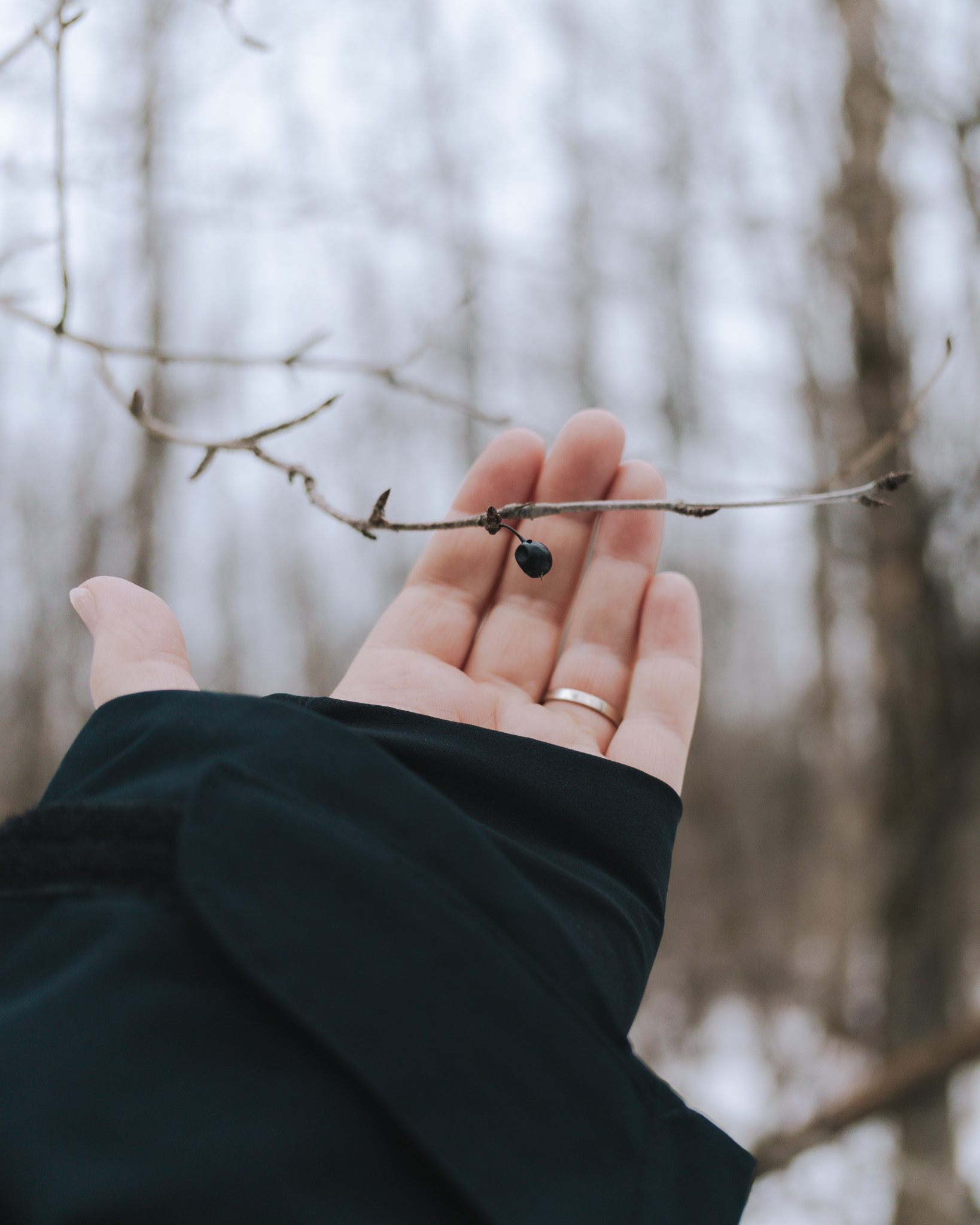
A winter morning.
January in the woods—a mix of life and death.
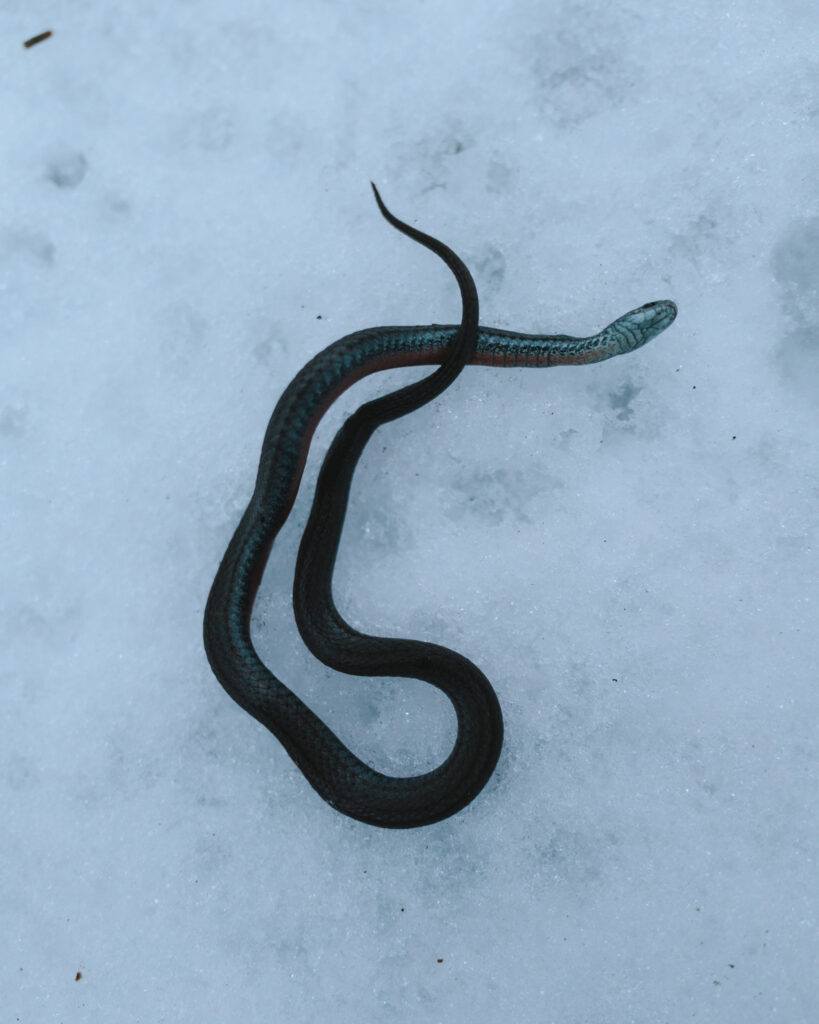
I found the snake early on my walk. It didn’t make sense: it’s January in the Canadian woods, a time when snakes should be overwintering underground, deep from the snow and frost. It was a warmer day, hovering around the freezing mark, but certainly not warm enough to draw snakes out a full three or more months early.
I wonder if something happened to his safe little den to force him out into the snow. I wonder if he was sick. I wonder if the strange weather patterns of our climate-changed world threw off his internal calendar. He was in the middle of the trail, a desert of ice. I picked him up and put him on an exposed tuft of grass, covered him with a few light pieces of brown foliage. On the off chance that his cold bloodedness meant he was still somehow alive, I hoped this slightly-warmer spot would save him. On the more likely chance that he was dead, I thought it served as a softer grave.
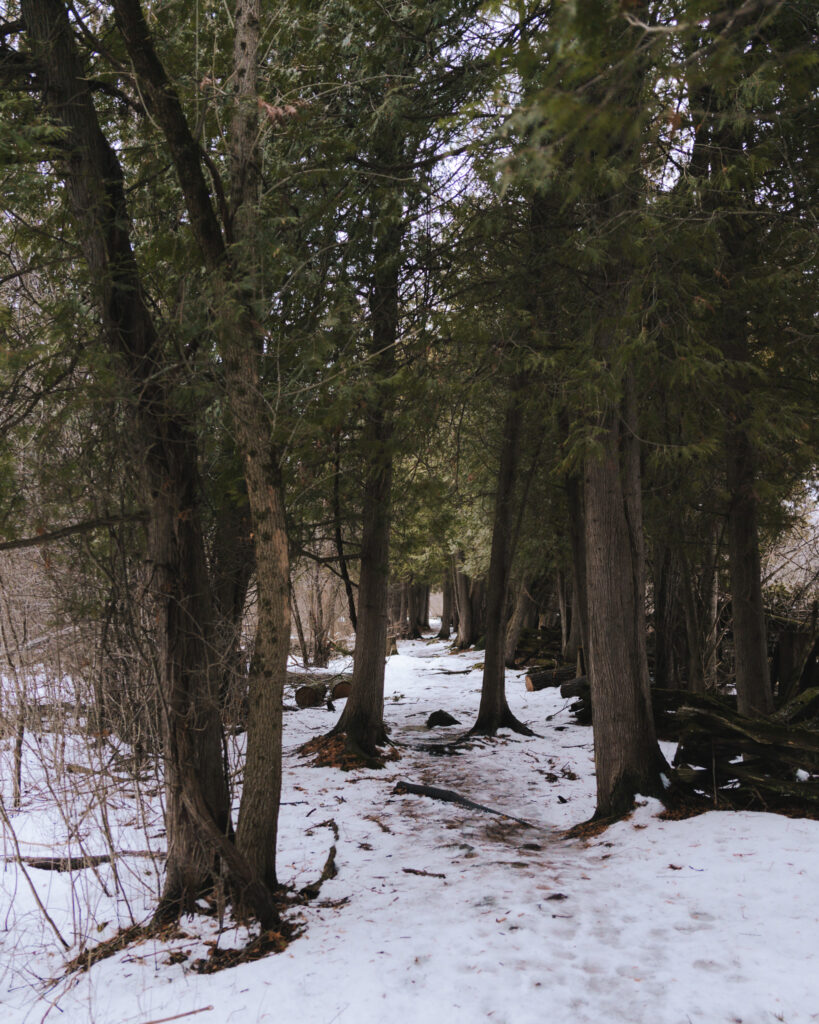
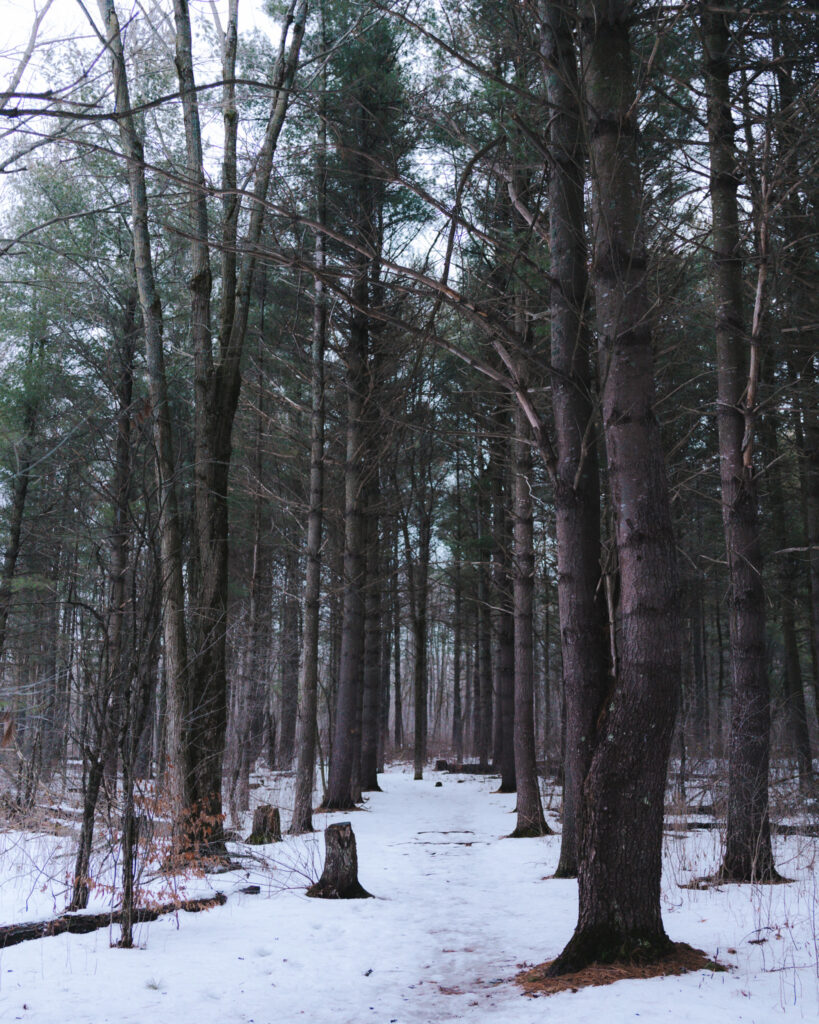
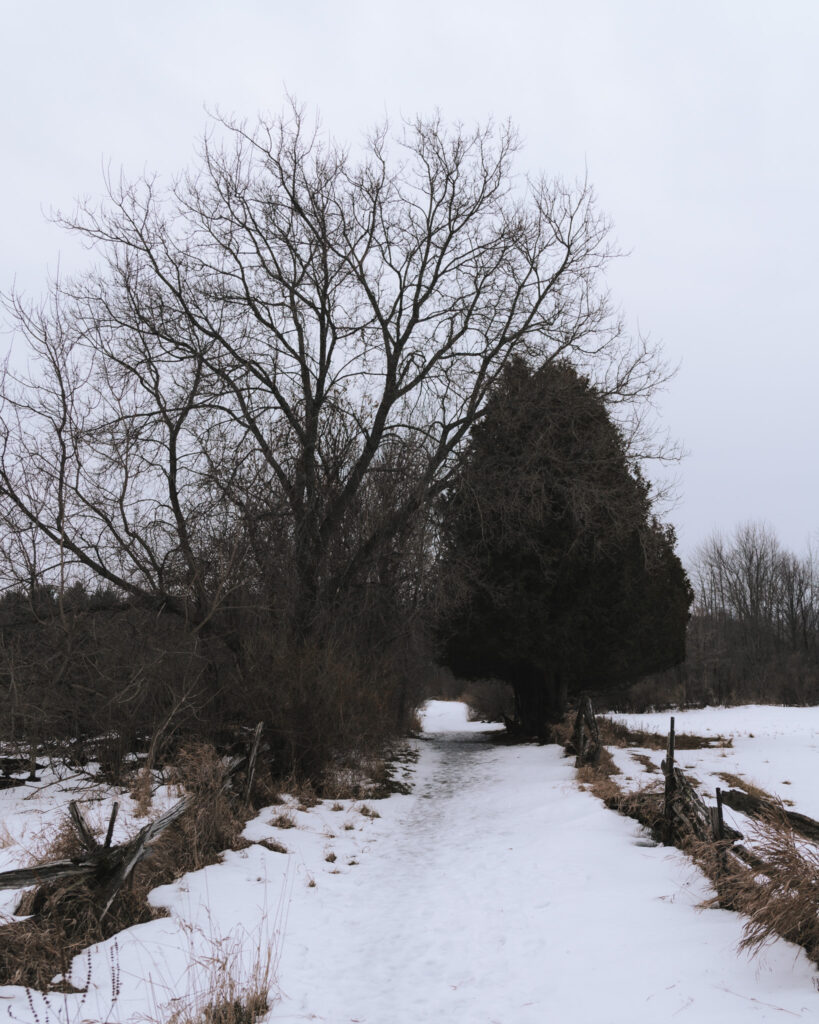
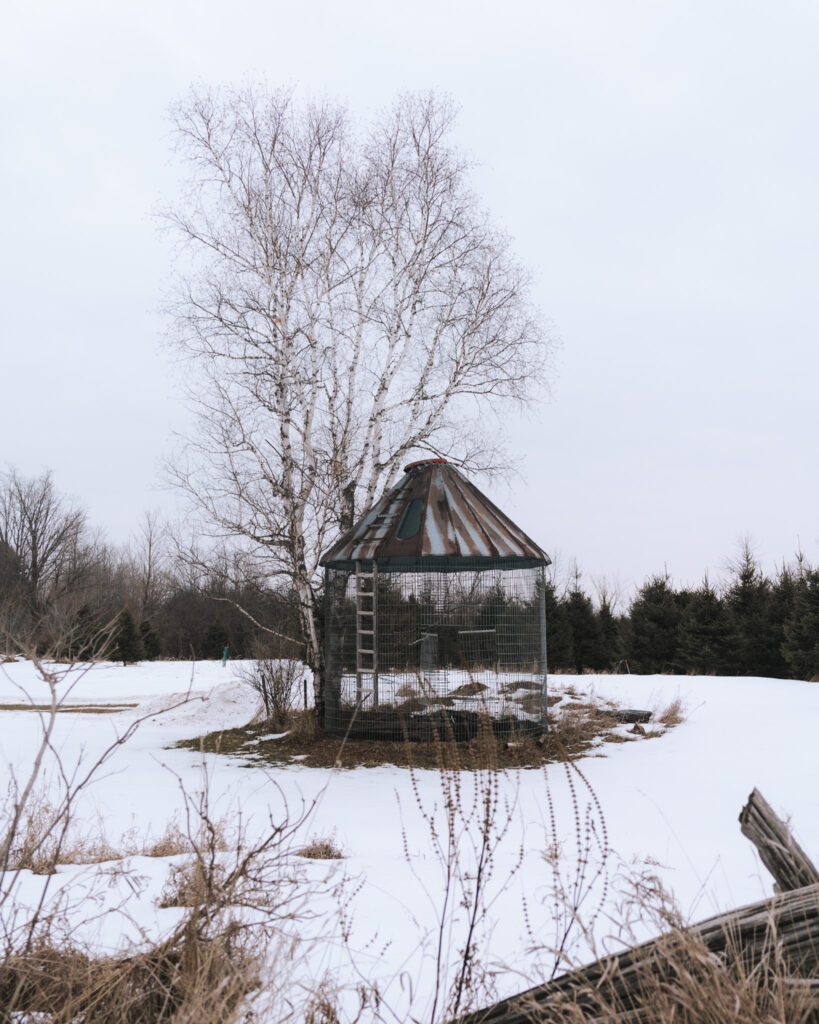
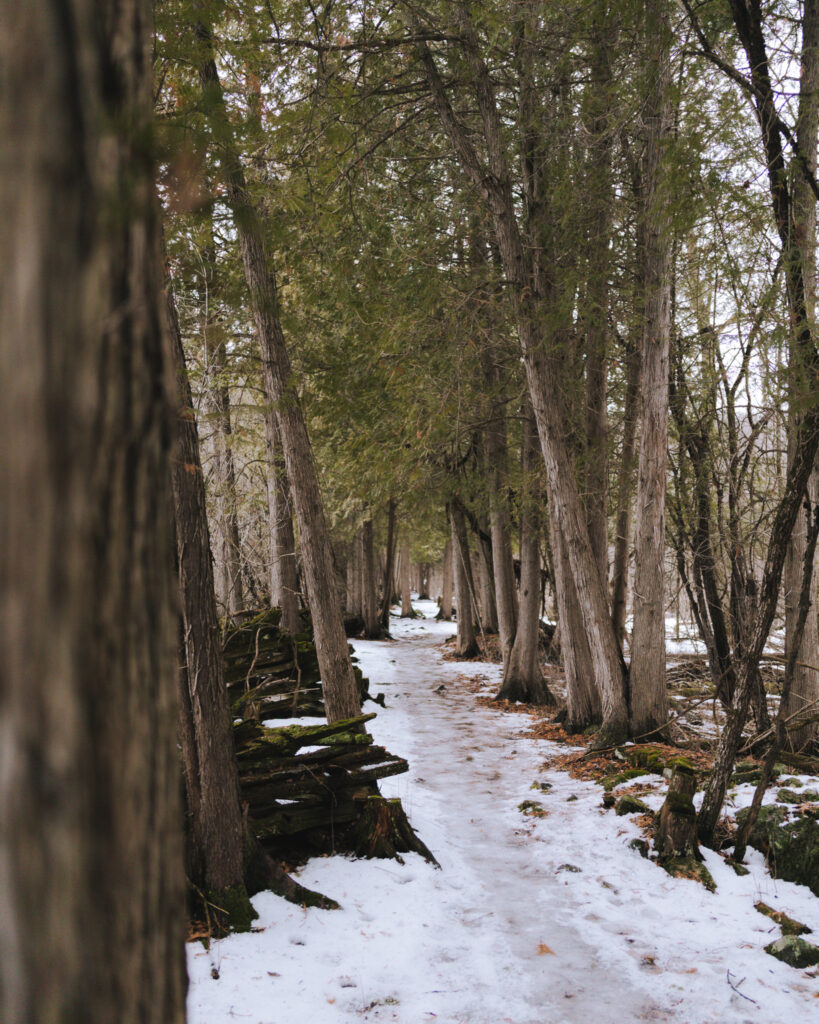
Elsewhere, the woods were full of life. Winter is a quieter sort of living, but living all the same—I’ve always felt really disconnected from the vision of winter as a time where everything is asleep. Birds chirped busily, the deer were fully out and about, and tracks in the snow showed the movement of coyotes and foxes and mice and rabbits and more that I couldn’t identify, everyone going about their business of surviving January.
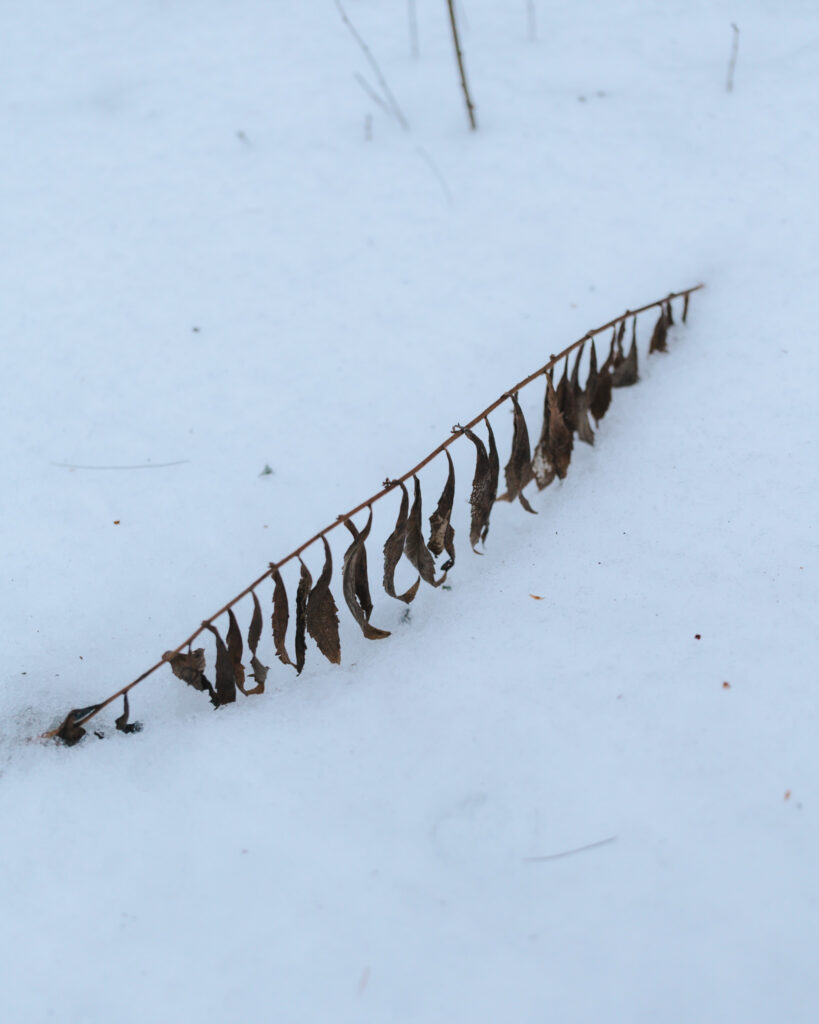
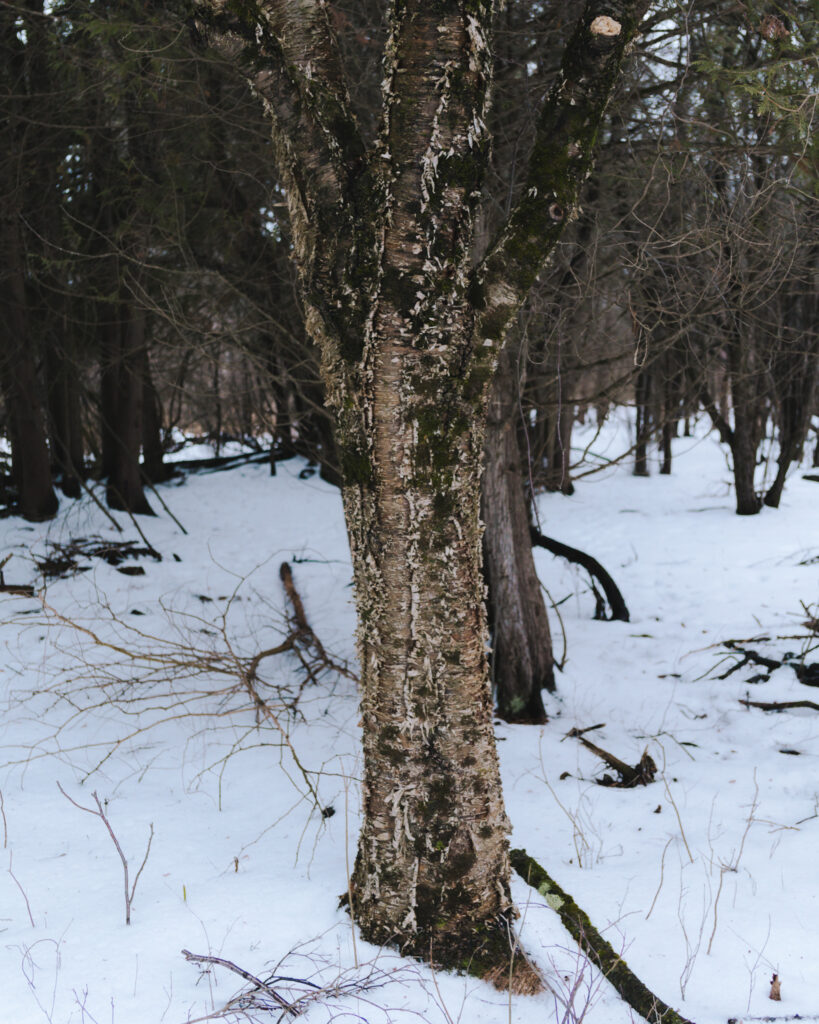
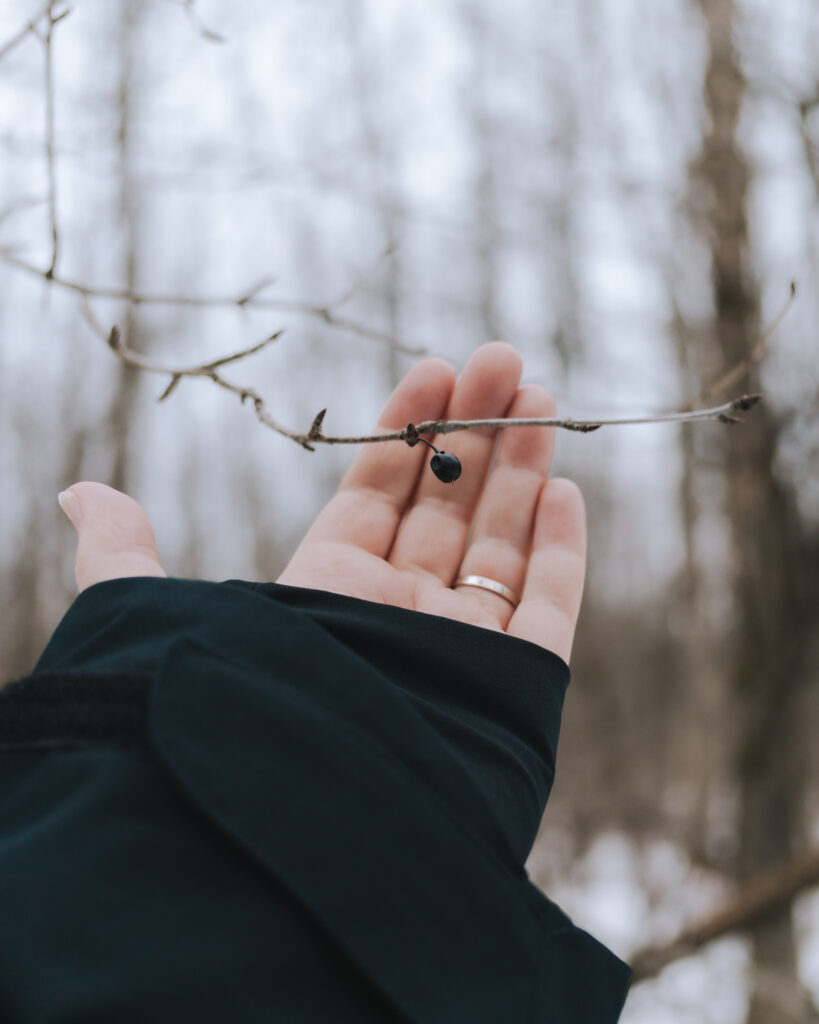
Winter is also the season of strange textures. The brown dead stalks of grasses with their seedpods like strings of pearls; the strange symmetry of a stooped-over frond; a shrivelled black berry; the fantastic mix of moss and the peeling bark of a yellow birch, glowing in the morning sun. It’s a starker beauty, maybe, than the forest in the shout of summer, but I love it anyway. You just need to pay closer attention to find it.